
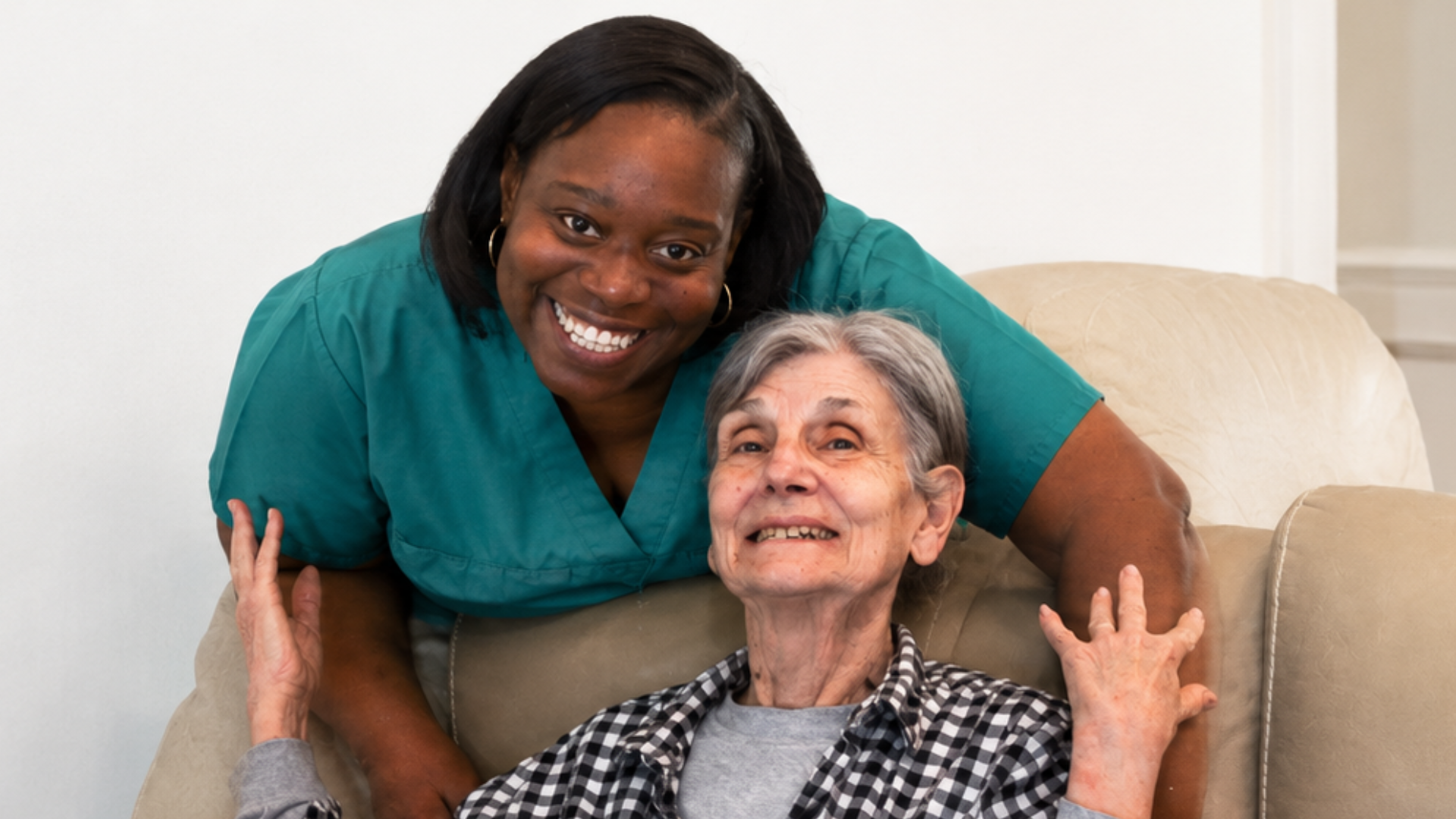
Many families are drawn to residential care homes because they feel more personal — quieter, more familiar, less overwhelming. For seniors who are private by nature, or beginning to experience memory changes, that environment makes a real difference.
What truly sets Fidelis Residential Care Homes apart isn't the setting alone — it's the experience, the ownership, and the clinical depth behind it. The kind that comes from two decades of caring for hundreds of residents across multiple markets, through every kind of situation a family might face.
We have. And that's where the difference starts.
Experience. Ownership. Attention. Here's what that looks like to our residents and their families.

We founded Fidelis as a family of healthcare professionals — including two registered nurses and a finance executive — and we remain personally involved in every home. We understand aging and memory loss from the inside. That shapes how we make care decisions, how we guide families through hard transitions, and how we train and support our caregivers.
When you place a loved one with us, you’re not handing them to a system. You’re placing them with a healthcare family that takes that responsibility personally.
Experience in senior care is measured in situations — the resident who arrived after a hospitalization needing more support than anyone anticipated, the family navigating a dementia progression they weren't prepared for. Over more than two decades and dozens of residential care homes across Metairie, Baton Rouge, Denham Springs, and Mandeville, we have seen a great many of them.
That depth shows up in how we train our caregivers, how our administrators support families under pressure, and how we recognize a change in a resident that a less experienced team may miss. It comes from doing this for a very long time.
More than two decades of caring for seniors across Metairie, Baton Rouge, Denham Springs, and Mandeville has reinforced one simple belief: every resident deserves to be known, cared for, and never treated like a number.
In some care settings, a resident can be managed well and still feel invisible. With too many residents and too few familiar faces, the subtle things — a quieter-than-usual morning, an early sign that something isn't right — are easy to miss.
Our homes are intentionally sized for personal care. Caregivers are close, routines become familiar, and the same faces are there every day. Families tell us this is what they notice first — not a feature or an amenity, but a feeling. Their loved ones are known. And when something changes, someone notices. And calls.
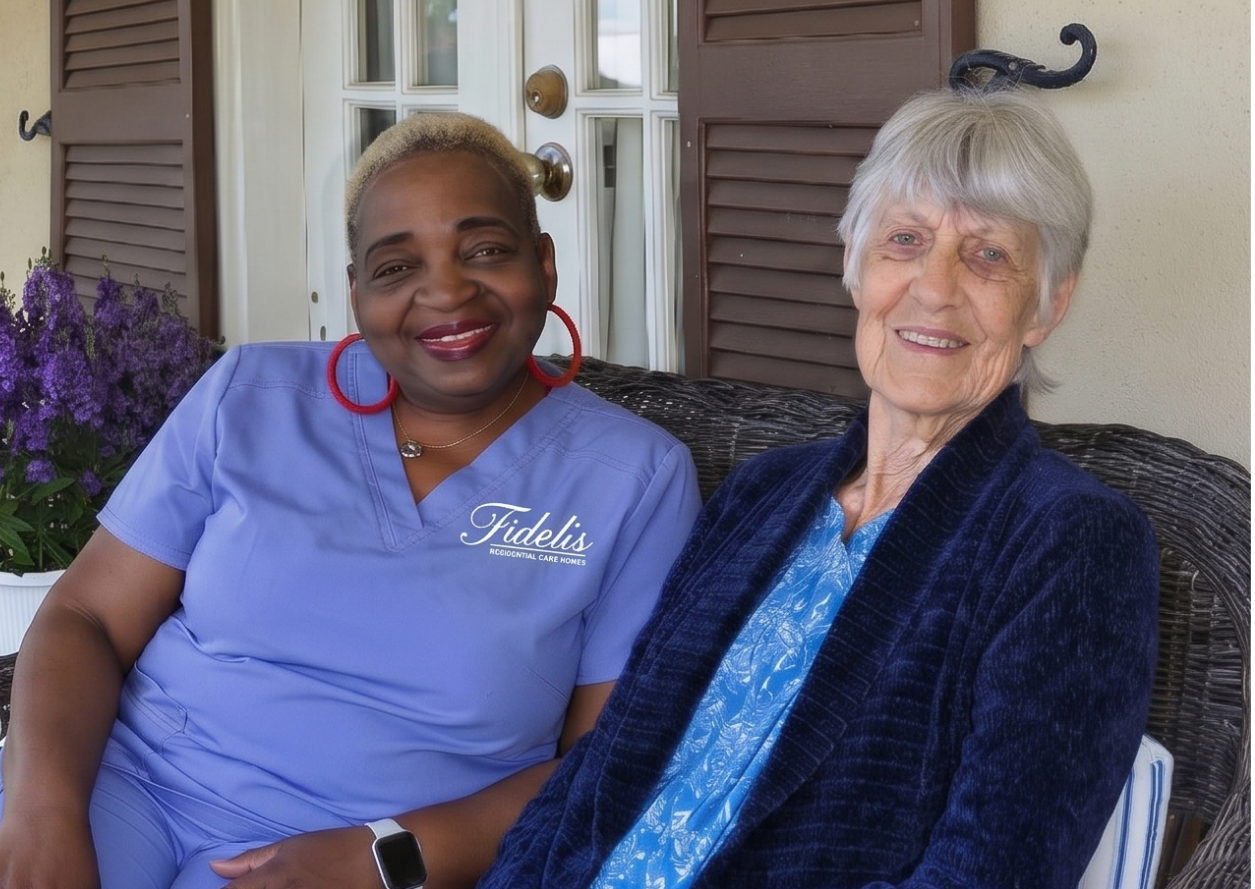
One of the quiet advantages of how we work — that families often don’t think to ask about until it matters — is that as a resident’s needs evolve, their world doesn’t have to change.
Same home. Same caregivers. Same daily rhythms. No disruptive moves to a different unit or a new facility. For someone experiencing cognitive decline, that consistency is genuinely therapeutic. And for families, it removes one of the hardest decisions they might otherwise face down the road.
Ready to tour one of our residential care homes, or just have a few questions? We're here either way.